Hello,
At the Godrej Foundation, we see national development not merely as economic growth but as a deeper transformation of the systems and rules that shape a nation’s progress—a view inspired by the work of development economist Lant Pritchett, who describes it as a four-fold transformation of economy, state, polity, and society. True development is not a single leap forward but a multidimensional evolution that reshapes how nations function and flourish. Economies must transition from low to high productivity through stronger institutions, vibrant markets, and investments in human and physical capital that reward innovation and efficiency. States must move from weak capacity to strong capability, able to design and deliver public policy with effectiveness and integrity. Polities must evolve from subjects to citizens, where those who hold power are accountable and responsive to the needs and aspirations of the people they serve. And societies must shift from hierarchy to equality, replacing inherited privilege with fairness, inclusion, and dignity for all. These transformations reinforce one another—economic growth cannot endure without capable states, citizen trust, and social cohesion.
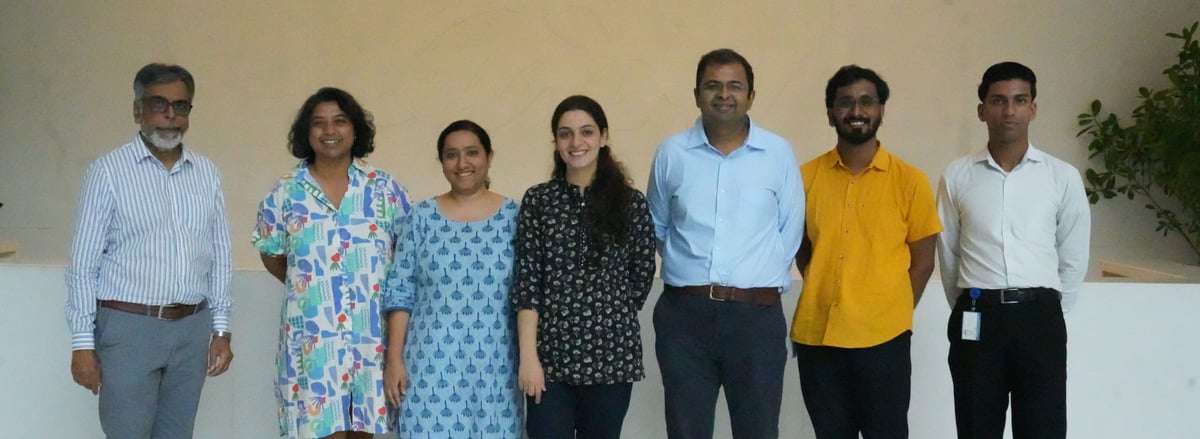
Our work is guided by this understanding—that progress is not a single project or policy, but the cumulative result of stronger institutions, empowered citizens, and fairer social norms. Whether supporting inclusive livelihoods, enhancing public service delivery, or nurturing new models of education and enterprise, we aim to strengthen the foundations of capability, productivity, and equality that make societies thrive. Since we last wrote to you, we’ve grown our partnership ecosystem to 13 partners who are driving meaningful impact across our core areas of work. Last month, we also welcomed our newest team member – Palak Sadotra, who will lead our work on nurturing young Indians with potential to their full potential.
Over the monsoon months, we’ve drawn great inspiration and energy from our field visits and the diverse experiences that shape our work. These visits allow us to witness first-hand the impact of our partner organisations. Here are some of the voices we’ve heard in the field:
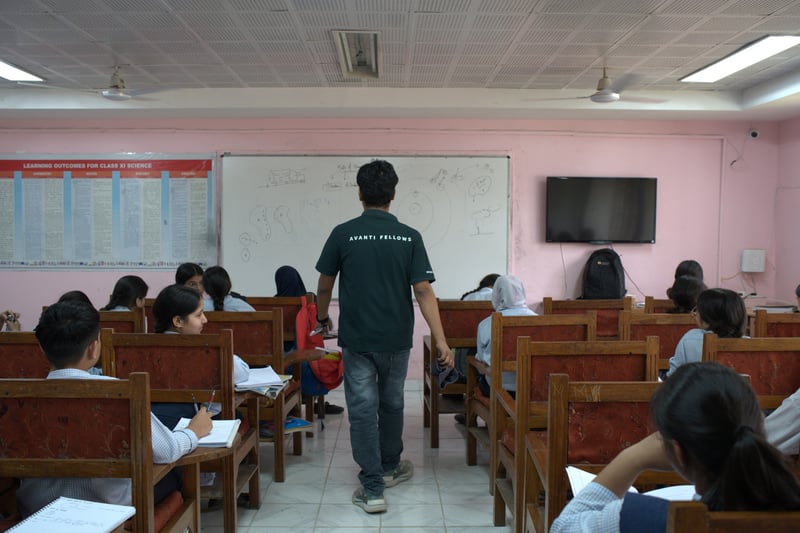
“In the upper echelons of academia and industry, we need more equitable representation. If you help really gifted children with a simple intervention of preparing for exams, they could change the fabric of some of these institutions over time.”
- Vandana Goyal, co-CEO of Avanti Fellows, in our story about Avanti’s ‘Centres of Excellence’ for gifted students from low-income backgrounds.
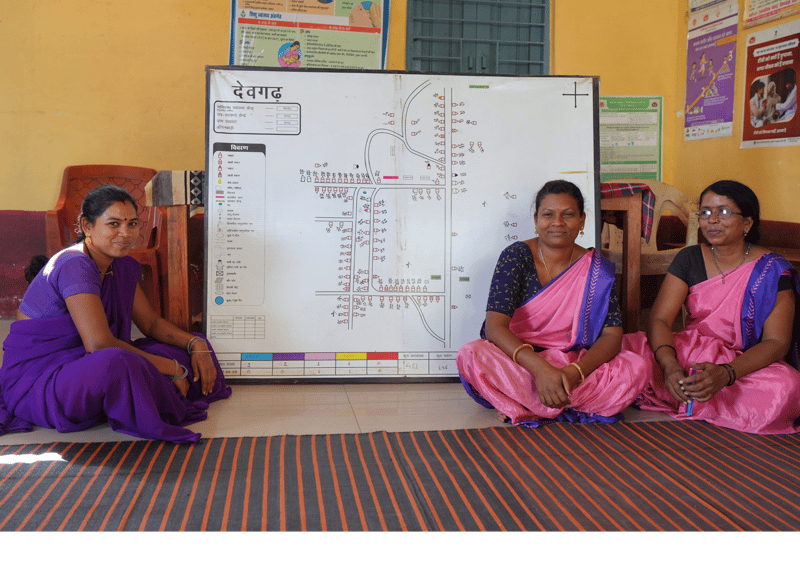
“A lot of children who were hidden are now coming under the eye of the system, which makes a huge difference.”
- Dr. Pranjal Upadhyay, immunisation officer of Betul district, Madhya Pradesh, talking about the impact of The Antara Foundation’s unique ‘AAA’ approach to strengthen public healthcare for women and children.
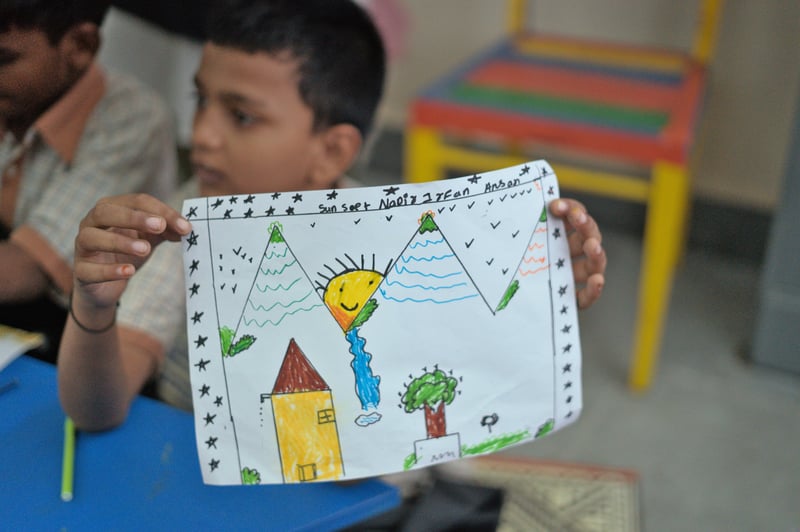
“It struck me that I as an individual could only solve problems for a few children in one school. But if school leaders could be empowered to resolve problems better…how many more solutions would emerge?”
- Subhankar Paul, founder of The Unifly Collective, one of 160 organisations in the education sector founded by alumni of Teach For India fellowship programme. We feature three such organisations in our story on TFI’s Alumni Impact project.
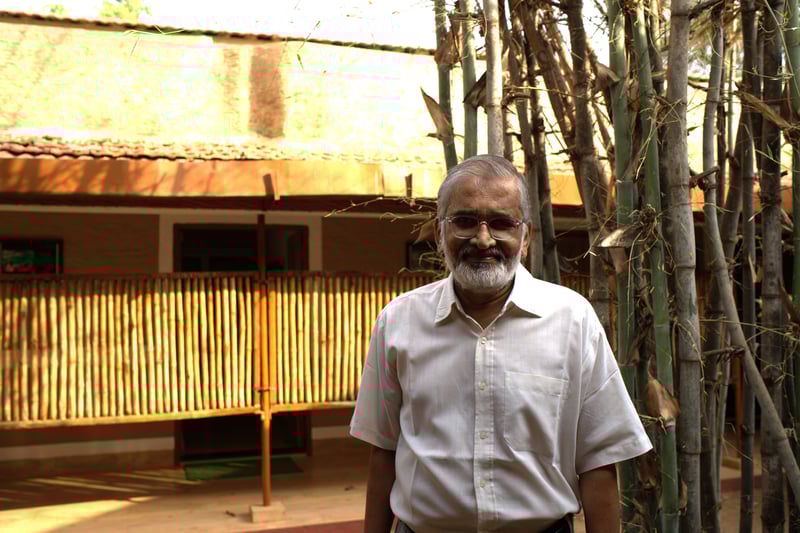
“Most tribal villages are very small hamlets, far away from doctors and hospitals. They lack transport and money. The healthcare system in India is not designed for them. So how do we make them capable of taking care of their own health?”
- Dr Abhay Bang, co-founder of SEARCH, talking about the organisation’s pioneering work in infant, maternal and tribal healthcare in Part One of our interview with the Bang family. In Part Two, they discuss the state of public health in India.
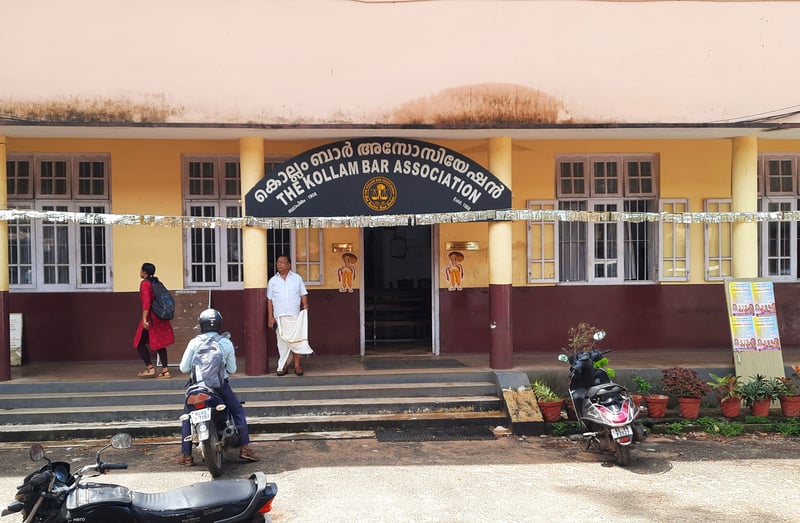
“The pilot 24x7 ON Court has been able to lay the foundation for systemic transformation of court processes. We are using technology to simplify core processes, which can be adapted for other courts and dispute types – the technology is open and available for others to adopt, so that courts can be transformed at a wider scale.”
- Supriya Sankaran, co-founder of Agami on the unique new digital court that is making justice delivery faster.
As always, you can read our latest reports and blog posts on our website here and here. For more frequent updates and stories from our work, follow us on LinkedIn.
About Us
The Godrej Foundation is an independent philanthropic trust. Visit our website here.